Set overview
Diamond & Pearl is worth reviewing through raw price, graded price and break-even grade, not popularity alone. Diamond & Pearl from the Diamond & Pearl series, released on 2007-05-01, includes 130 official cards and 130 total cards in the source data. Kardive keeps that set identity visible: Diamond & Pearl series, released 2007-05-01, 130 official cards, 130 total cards listed.
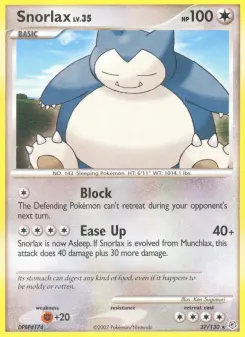
- Snorlax #37 - Rare, Colorless, illustrated by Ken Sugimori
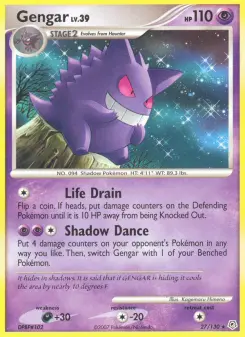
- Gengar #27 - Rare, Psychic, illustrated by Kagemaru Himeno
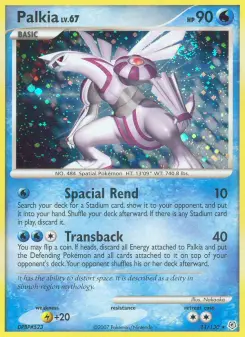
- Palkia #11 - Rare Holo, Water, illustrated by Nakaoka
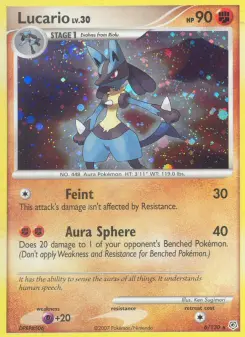
- Lucario #6 - Rare Holo, Fighting, illustrated by Ken Sugimori
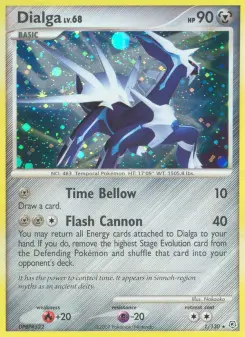
- Dialga #1 - Rare Holo, Metal, illustrated by Nakaoka
- Metal Energy #130 - Common
- Darkness Energy #129 - Common
- Fighting Energy #128 - Common
Card mix and identity
In the visible sample, rarity context includes Rare, Rare Holo, Common and Rare Holo LV.X; where type data is available, cards include Colorless, Psychic, Water and Fighting. Illustrator data such as Ken Sugimori, Kagemaru Himeno and Nakaoka gives the pages more identity than name and number alone.
- Snorlax #37
- Gengar #27
- Palkia #11
- Lucario #6
- Dialga #1
- Metal Energy #130
- Darkness Energy #129
- Fighting Energy #128
What to analyze
A set page should help users spot top raw cards, top graded cards, best ROI candidates and low-pop or scarcity candidates once live pricing is connected in the Kardive app.
- Raw value leaders
- PSA 10 upside candidates
- Cards that still work in PSA 9
- Cards to track before grading
How this connects to the app
In the full app, users can move from Diamond & Pearl research to card detail, run an ROI calculation, save a scenario, create a watchlist item or add an owned position to portfolio.
- Open card detail
- Run ROI
- Save scenario
- Track in watchlist
User intent captured
People searching for Diamond & Pearl grading ideas are usually weighing popularity against financial upside. Kardive keeps those separate, so a popular card still has to pass the fee and risk test.